Why does the background music in a creator clip need its own license check?
A signed creator release covers the creator's performance and footage. It almost never covers the song playing underneath. Here is why that matters and how to check before a clip ships.
The creator can only license what they own
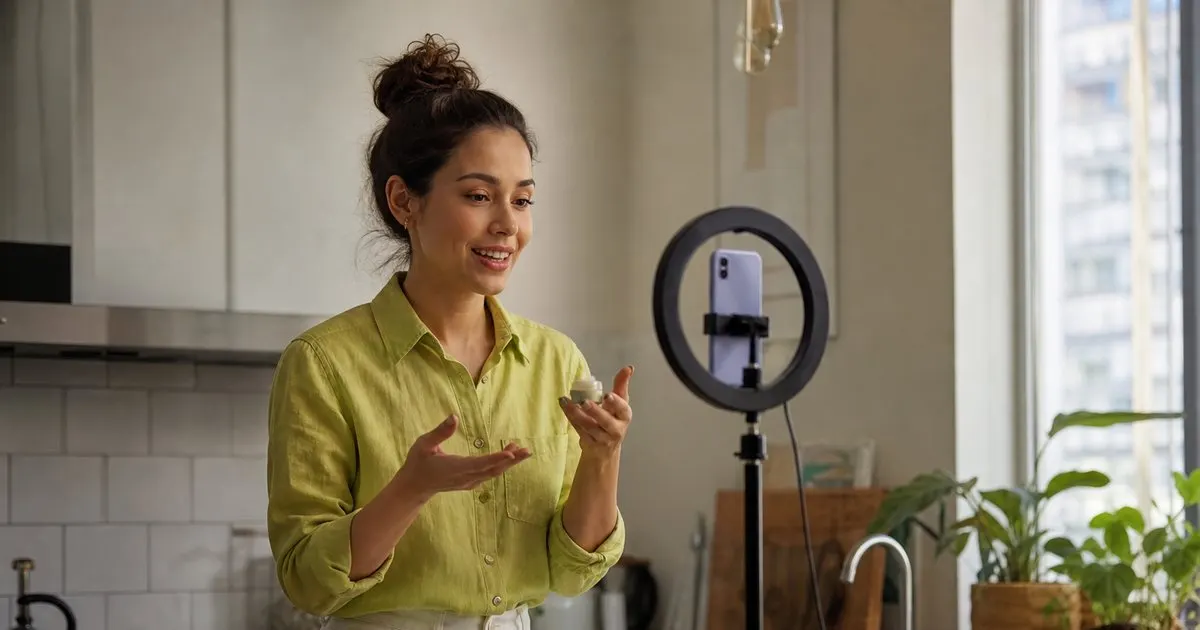
When a creator signs a usage agreement, they grant the brand rights to the content they made: the footage, their likeness, their voice, their script. What they cannot grant is a license to a song they do not own. If a clip has a popular track under it, the rights to that track belong to whoever holds the recording and the composition, and the creator's signature does not transfer either. The release is real, but it has a hole in the middle exactly where the music sits. Related: Why Usage Rights Matter for Brands
This surprises teams because the clip looked fine when it was posted. Many platforms license large music catalogs for personal use on the platform, so a creator can add a trending song to an organic post without a problem. The moment that same clip is downloaded, reposted from a brand account, cut into an ad, or embedded on a website, the personal-use license the platform negotiated no longer applies. The song is now being used commercially without the sync and master use licenses a commercial track requires, and the brand is the party most likely to hear about it.
Keep reading: Why Usage Rights Matter for Brands, Getting Clear Rights From Creators, Tracking Content Rights Without Chaos. See how RightsRoster helps you usage-rights and license tracking for creator ugc clips.
Where the platform license stops
Most large platforms operate two music libraries: a general one for personal accounts and a narrower one cleared for commercial or business use. Content posted from a business account, or content that promotes a product, is typically expected to use the commercial library. A creator who is used to their personal account may reach for the general library out of habit, and a brand receiving that file may never notice the difference.
The safe assumption is that any music in a creator deliverable is uncleared until someone confirms otherwise. Confirming means asking the creator where the track came from, checking whether it is from a commercial-use library or a licensed stock service, and, if it came from the platform's general catalog, treating the clip as organic-only on that platform or replacing the track. It is a five-minute question during review and a much longer conversation after a takedown or a claim.
Build music into the brief, not the cleanup
The cheapest fix is upstream. The creative brief should tell creators what music is allowed: a specific licensed library the brand pays for, the platform's commercial-use catalog, original audio, or no music at all with the brand adding a track in post. The brief should also ask creators to deliver a version with the voice track separate from any music bed, so the brand can swap the music without re-editing the whole piece.
The usage agreement should match the brief. A short clause stating that any third-party music in the deliverable is either from an approved source or will be replaced by the brand puts the expectation in writing. It also protects the creator, who usually does not want to be the reason a brand campaign gets pulled. Most professional creators already work this way and will appreciate a brand that is clear about it. Related: Getting Clear Rights From Creators
Tracking music alongside the clip
Music has its own license terms, its own expiry, and sometimes its own territory limits, and those rarely line up with the creator's terms. A stock track licensed for social use may not be licensed for broadcast or for paid placement. A library subscription that lapses can leave clips in a gray area. If a brand tracks creator rights carefully but treats music as an afterthought, the weakest license in the clip becomes the real limit on how it can be used. Related: What Happens When Rights Expire
The practical approach is to record the music source and license reference next to the creator agreement for each clip. When someone asks whether a clip can be reused for a new campaign, both records get checked. When the creator's rights are extended, someone also confirms the music license still covers the new use. It is one extra field in a rights log, and it is the field that most often saves a team from an unpleasant surprise. Related: Reading a Usage Agreement
- A creator's release covers their footage and likeness, not the rights to a song they added.
- Platform music libraries are generally cleared for personal use, not for brand reposts, ads, or websites.
- Specify approved music sources in the brief and ask for a version with a separate voice track.
- Log the music source and license terms next to the creator agreement so both get checked before reuse.
Julien Jimenez
Julien Jimenez is an independent software builder based in Paris. He designs, ships, and operates focused SaaS products for small businesses and independent professionals. Read the full author page.
Know exactly what content you are allowed to use
Usage-rights and license tracking for creator UGC clips. RightsRoster is built to help you put this into practice.
Track my rightsMore from the RightsRoster blog
Why Usage Rights Matter for Brands
Getting Clear Rights From Creators

Tracking Content Rights Without Chaos
Get the RightsRoster playbook
Practical guides on content rights, straight to your inbox as we publish them. No spam, unsubscribe any time.