
Content rights
Why Usage Rights Matter for Brands
Using content you do not have the rights to is a real risk. Here is why rights deserve attention.
Practical, honest advice from the team behind RightsRoster, written to help you do this well.
Using content you do not have the rights to is a real risk. Here is why rights deserve attention.

Vague permission causes trouble later. Here is how to secure rights you can rely on.

Rights scattered across DMs and emails are impossible to rely on. Here is how to keep them straight.

Usage rights often have a clock. Here is what expiry means and how to stay ahead of it.

The terms of a content grant matter. Here is how to read one and know what you actually have.

User generated content is powerful and risky. Here is how to enjoy the first without the second.

Great content is wasted if you cannot find it or use it. Here is how to keep it organized.

Good content is worth keeping. Here is how to renew rights before they lapse.

A rights process only works if people actually use it. Here is how to build one they trust.

Organic and paid usage are different grants, and most creator releases were written for the first one. Here is how to move a clip into ads without a surprise takedown or an awkward invoice.
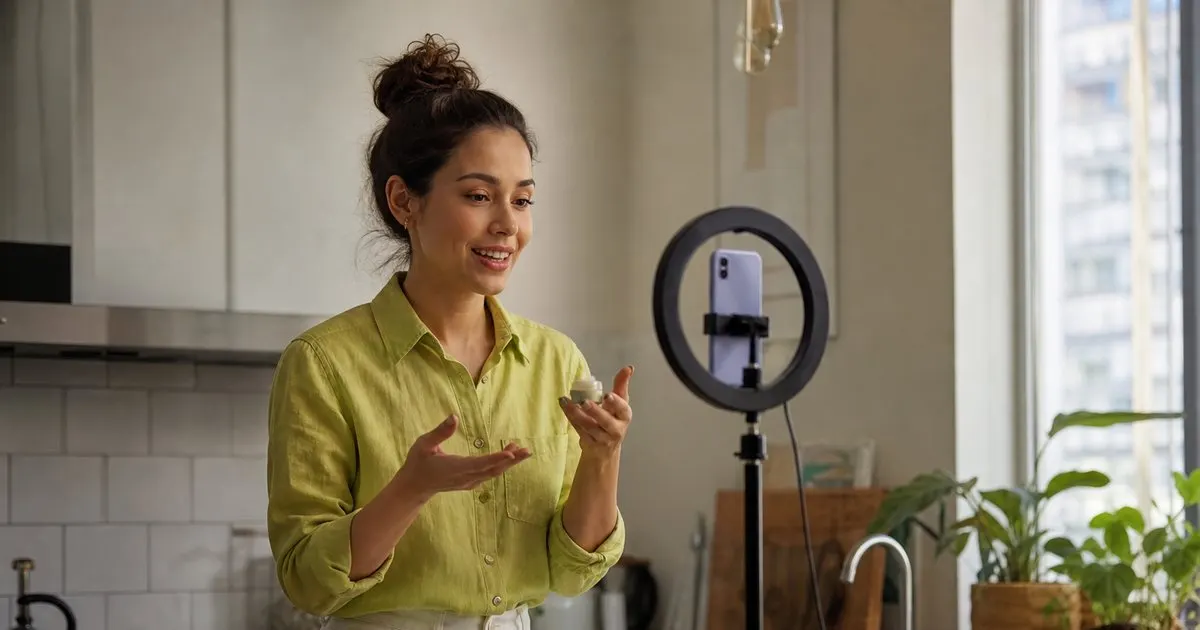
A signed creator release covers the creator's performance and footage. It almost never covers the song playing underneath. Here is why that matters and how to check before a clip ships.

A happy customer posts a video with your product and it is exactly what the feed needs. Reposting it without a real permission trail is where a lot of avoidable trouble starts.

Agencies sit between creators and clients, and rights get lost in the handoff. This is how to structure agreements and records so each client only uses what was licensed to them.

Most creator agreements allow some editing, and most creators expect it. The line between a reasonable trim and a use the creator never agreed to is where relationships get damaged.

There is no fixed rate for usage extensions, but there is a logic to how creators price them. Understanding it makes negotiations shorter and keeps the relationship intact.

Exclusivity is the most expensive clause in a creator deal and the one most often written badly. Here is how to ask for the protection you need without paying for restrictions you do not.

Rights knowledge tends to live in one person's head and inbox. When that person leaves, the brand can lose track of what it is allowed to publish. Here is how to recover and how to prevent it.
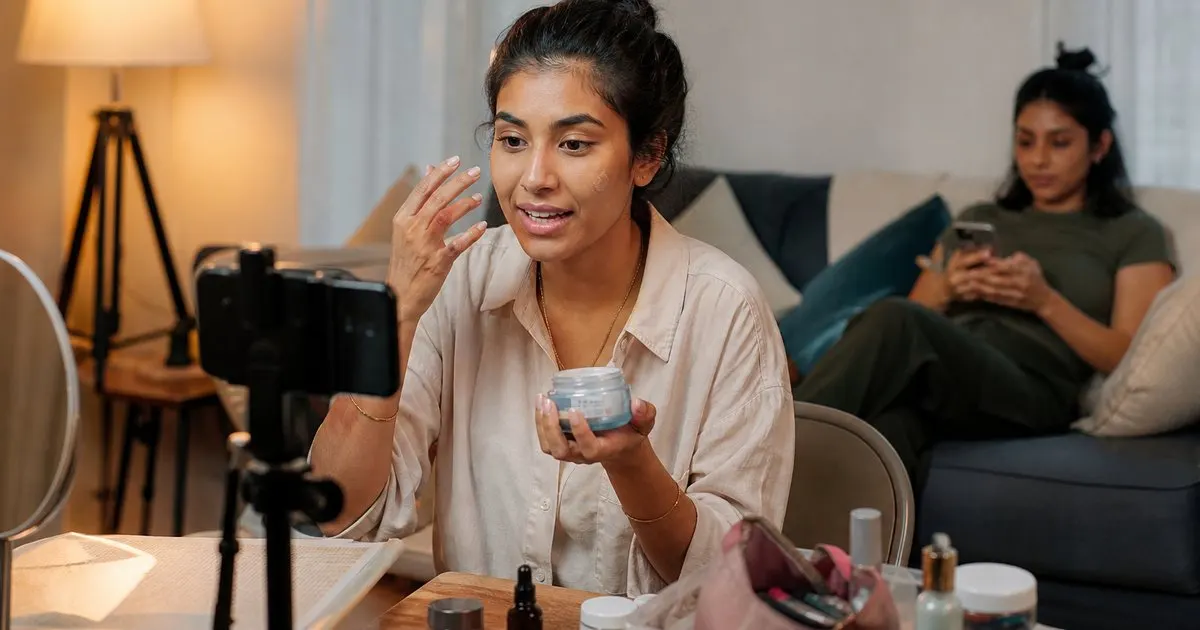
A creator can license their own likeness. They cannot license their roommate's, their kid's, or the stranger in the background. Here is how to spot the gap and close it.

A standard usage license covers running a creator's clip, not teaching a model from it. Here is how to separate the three permissions AI work actually needs, and how to stop generated variants from outliving their source.

Retailers, franchisees, and distributors publish brand content constantly, and a normal creator agreement rarely reaches them. Here is how to extend permission properly and how to get partner copies retired when the term ends.