Why does a creator's release not cover everyone who appears in their clip?
A creator can license their own likeness. They cannot license their roommate's, their kid's, or the stranger in the background. Here is how to spot the gap and close it.
A release is personal
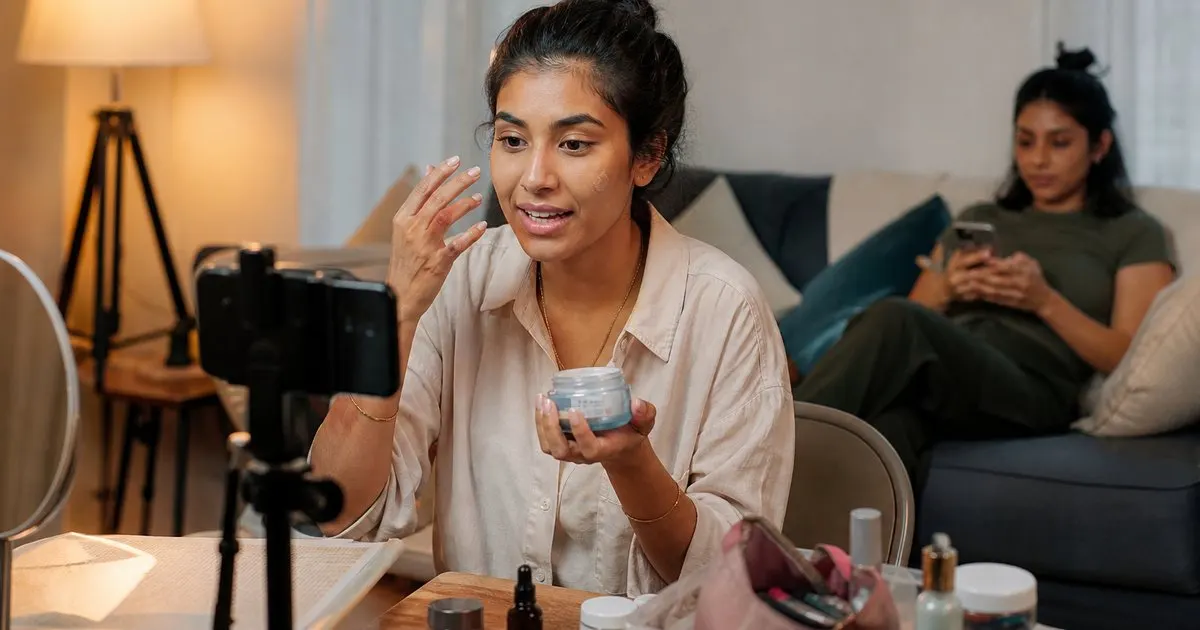
When a creator signs a usage agreement, they are granting rights over their own performance and their own likeness. That is the only likeness they can grant. If a partner walks through the frame, a friend joins the review, or a child appears in a family clip, each of those people has their own right to control commercial use of their image, and the creator's signature does not speak for them. The brand holds a valid license for the creator and nothing for anyone else in the shot. Related: Why Usage Rights Matter for Brands
This is not a theoretical concern. Family and lifestyle content routinely features spouses and children. Group content features friends. Street content features passersby. Each of these is a common source of UGC, and each puts people in a brand's advertising who never agreed to be there. The creator often has not thought about it either, because on their own channel the other people were fine with it. A brand's ad is a different context. Related: UGC and Legal Risk
Keep reading: Why Usage Rights Matter for Brands, Getting Clear Rights From Creators, Tracking Content Rights Without Chaos. See how RightsRoster helps you usage-rights and license tracking for creator ugc clips.
Children require the most care
Minors appearing in commercial content is the area where brands should be most conservative. A child cannot consent for themselves, and a parent's consent should be in writing, specific to the use, and signed by the parent or guardian in their own name rather than implied by the creator's release. If the creator is the parent, the agreement can include a parental consent section that covers the child by name. If the creator is not the parent, the brand needs a separate release from whoever is. Related: Getting Clear Rights From Creators
Beyond consent, some brands choose not to use content featuring children in paid media at all, regardless of paperwork, because of the reputational and platform-policy considerations that come with it. That is a judgment call, but it should be a deliberate one. The worst version is a brand discovering after launch that a top-performing ad features a child whose other parent never agreed and objects.
Friends, partners, and the problem with secondhand assurances
Adults who appear in a creator's clip and are clearly participating, such as a friend co-reviewing a product, should sign their own short appearance release. It does not need to be as detailed as the creator agreement. It needs to identify the clip, name the person, state that the brand may use their likeness in the licensed uses, and be signed and dated. Most people will sign it in the same sitting as the creator if asked at the time.
The trap is relying on the creator's assurance that the other person is fine with it. That may be true today. Relationships change, and the co-star in a couple's clip may feel very differently about appearing in a brand's ads after a breakup. A written release signed by the person themselves gives the brand something to rely on and gives the other person a clear record of what they agreed to, which is fair to them as well.
Background people and what to do about them
Incidental bystanders in public places are generally lower risk than featured participants, particularly when they are not identifiable and not the focus. Lower risk is not zero. A brand using a street clip in ads should look at whether anyone in frame is recognizable and prominent, and if so, either blur them, crop them out, or choose a different take. The cost of a blur is minutes. The cost of a complaint from someone who finds themselves in an ad is much higher.
The workable rule for a brand's review process is a quick likeness check on every clip before it is licensed for anything beyond organic: who is visible, are they identifiable, is there a release for each of them, and if not, can they be edited out. Recording the answer in the rights log alongside the creator agreement means that the next time the clip is considered for a new use, the check does not have to be redone from memory. Related: Reading a Usage Agreement
- A creator's release covers their own likeness only, not partners, friends, children, or bystanders.
- Minors need written, specific consent from a parent or guardian, and some brands exclude them from paid media entirely.
- Featured adults should sign a short appearance release at the time of filming, not rely on the creator's word.
- Check every clip for identifiable non-creators before licensing it beyond organic, and blur or recut where needed.

Julien Jimenez
Julien Jimenez is an independent software builder based in Paris. He designs, ships, and operates focused SaaS products for small businesses and independent professionals. Read the full author page.
Know exactly what content you are allowed to use
Usage-rights and license tracking for creator UGC clips. RightsRoster is built to help you put this into practice.
Track my rightsMore from the RightsRoster blog
Why Usage Rights Matter for Brands
Getting Clear Rights From Creators

Tracking Content Rights Without Chaos
Get the RightsRoster playbook
Practical guides on content rights, straight to your inbox as we publish them. No spam, unsubscribe any time.