When should a brand ask a creator before cutting, captioning, or remixing their clip?
Most creator agreements allow some editing, and most creators expect it. The line between a reasonable trim and a use the creator never agreed to is where relationships get damaged.
What a typical edit clause actually covers
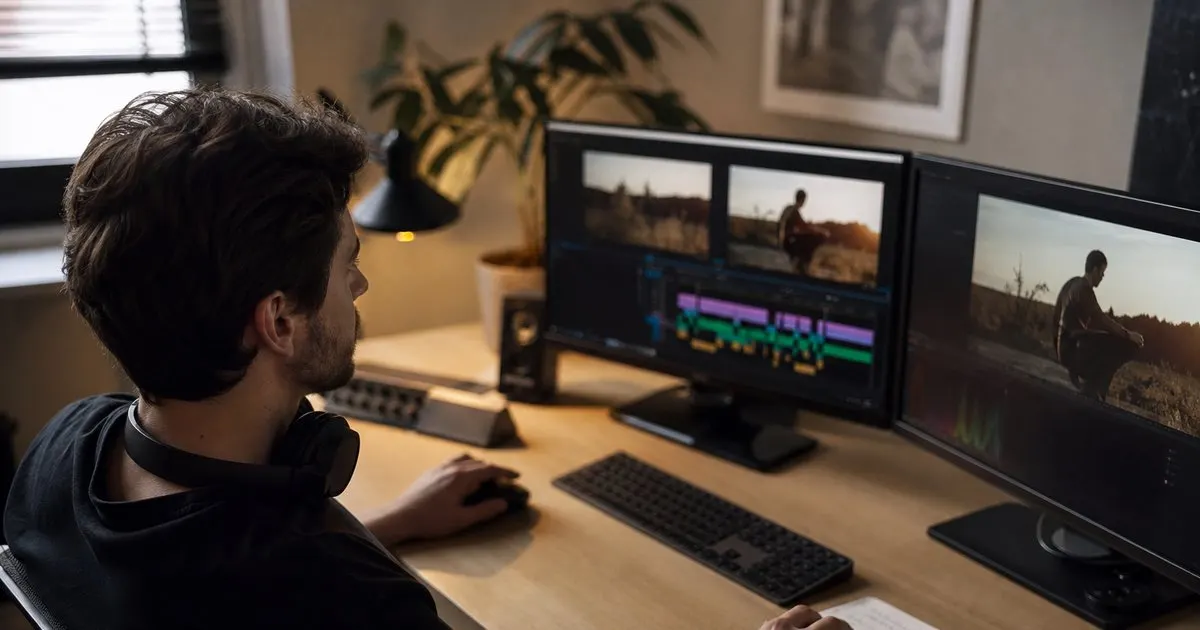
Most creator agreements include a line allowing the brand to edit, crop, or adapt the content for the licensed uses. In practice this covers the routine work of making a clip fit: trimming for length, adjusting for aspect ratio, adding captions, adding a logo or end card, and combining several clips into a compilation. Creators expect this and rarely object, because a raw vertical clip is not going to run unedited across every placement. Related: Getting Clear Rights From Creators
Where the clause gets thin is on changes that alter meaning. Cutting a creator's sentence so it sounds like an endorsement of a claim they did not make, dubbing a different voice over their footage, changing the product shown, or adding text that puts words in their mouth are all edits in a technical sense, but they change what the creator is saying. A generic edit clause was not written with those in mind, and a creator's manager is unlikely to read it that way.
Keep reading: Why Usage Rights Matter for Brands, Getting Clear Rights From Creators, Tracking Content Rights Without Chaos. See how RightsRoster helps you usage-rights and license tracking for creator ugc clips.
The three edits that should always get a check-in
The first is any change to a claim. If the creator said the product worked well for their skin and the edited version implies it clears a medical condition, the brand has moved from the creator's opinion to a product claim under the creator's face, and that can raise both contractual and advertising-law problems. The second is any change to the product or the context: swapping in a different item, a different price, or a different offer than the one the creator actually tried. The third is putting the creator's likeness next to content they did not produce, such as a stitched-in reaction or a compilation with other creators the person may not want to be associated with. Related: UGC and Legal Risk
None of these require a lawyer. They require a message to the creator with the edited version attached and a request for a quick approval. Most creators respond within a day and most say yes. The ones who say no usually have a good reason, and the brand is better off hearing it before the piece is live than after. Keeping a copy of the approval with the asset closes the loop. Related: Organizing Creator Content
Captions, subtitles, and translations
Captions are usually fine under a standard edit clause and are often required for accessibility. The care point is accuracy. Captions that paraphrase the creator into stronger claims or remove qualifiers create the same problem as a misleading cut. A good practice is to caption what the creator actually said and use on-screen text separate from the captions for any brand messaging, so the two are visually distinct.
Translations and dubs go further. A translated caption is a reasonable extension if the agreement covers the territory. A dubbed voice replacing the creator's own is a different performance, and it changes how the creator is represented. Unless the agreement specifically allows dubbing, ask. Many creators are fine with it for markets they do not serve, and some will want to record the other language themselves, which is often a better result anyway.
Writing an edit clause that avoids all of this
The fix for future deals is a clause that names what the brand may do freely and what needs approval. Free edits: trimming, cropping, resizing, captioning in the original language, adding brand graphics, combining with other licensed content. Approval edits: changes to spoken claims, changes to the product or offer shown, dubbing or voice replacement, and any use that presents the creator as endorsing something other than what they filmed. Related: What should a brand do when it wants to repost a customer's organic video?
Adding an approval turnaround for that second category, such as a set number of business days after which silence counts as approval, keeps campaigns moving without forcing the creator to be on call. Some brands carve out the most sensitive items, such as changes to spoken claims and dubbing, so those always need an explicit yes. Either way, the clause gives both sides a shared vocabulary, so when someone on the brand team asks whether a particular cut is fine, the answer comes from the agreement instead of from whoever is in the room.
- Routine trims, crops, captions, and brand graphics are normally covered by a standard edit clause.
- Any edit that changes a claim, the product shown, or who the creator appears to endorse needs a check-in.
- Caption what the creator actually said and keep brand messaging in separate on-screen text.
- Write future agreements with a named list of free edits and approval edits, plus a turnaround window.
Julien Jimenez
Julien Jimenez is an independent software builder based in Paris. He designs, ships, and operates focused SaaS products for small businesses and independent professionals. Read the full author page.
Know exactly what content you are allowed to use
Usage-rights and license tracking for creator UGC clips. RightsRoster is built to help you put this into practice.
Track my rightsMore from the RightsRoster blog
Why Usage Rights Matter for Brands
Getting Clear Rights From Creators

Tracking Content Rights Without Chaos
Get the RightsRoster playbook
Practical guides on content rights, straight to your inbox as we publish them. No spam, unsubscribe any time.